

What Are Reverse Osmosis Systems & How Do They Work?
What Are Reverse Osmosis Systems & How Do They Work?
Clean, safe drinking water plays a critical role in our everyday health, yet many households and businesses unknowingly rely on water that contains harmful contaminants. Even when water looks clear, it can still carry dissolved chemicals, heavy metals, bacteria, and other impurities that affect taste, odor, and safety. As concerns about water quality continue to grow, more people are looking for reliable, long-term purification solutions.
One of the most trusted and effective water treatment technologies available today is reverse osmosis. Used for decades in industrial, medical, and residential applications, reverse osmosis systems are known for their ability to remove a wide range of contaminants that traditional filters often miss. From improving the flavor of drinking water to reducing exposure to potentially harmful substances, RO systems provide an advanced level of filtration that many homeowners and businesses depend on.
Osmosis vs. Reverse Osmosis
- Osmosis is a natural process where water moves across a membrane from an area of lower concentration to higher concentration.
- Reverse osmosis does the opposite by applying pressure to push water from a high-contaminant area through a membrane, leaving impurities behind.
Step-by-Step RO Filtration Process
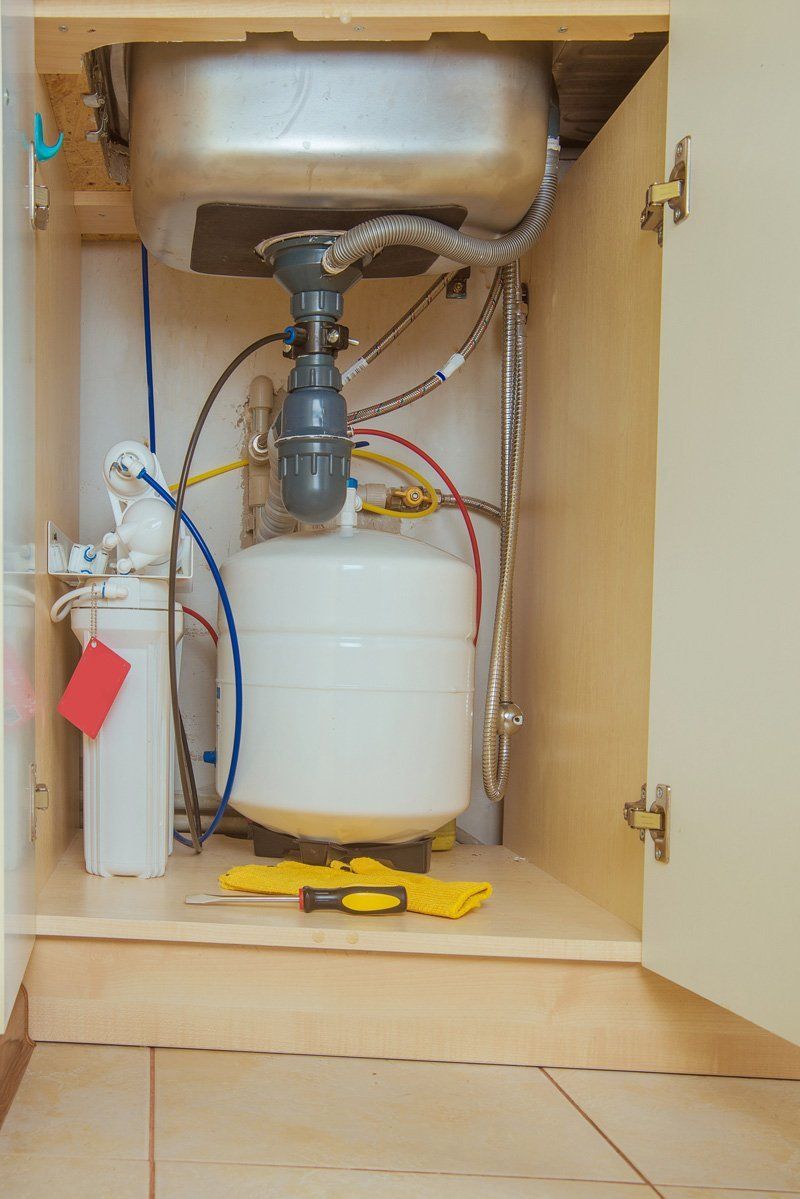
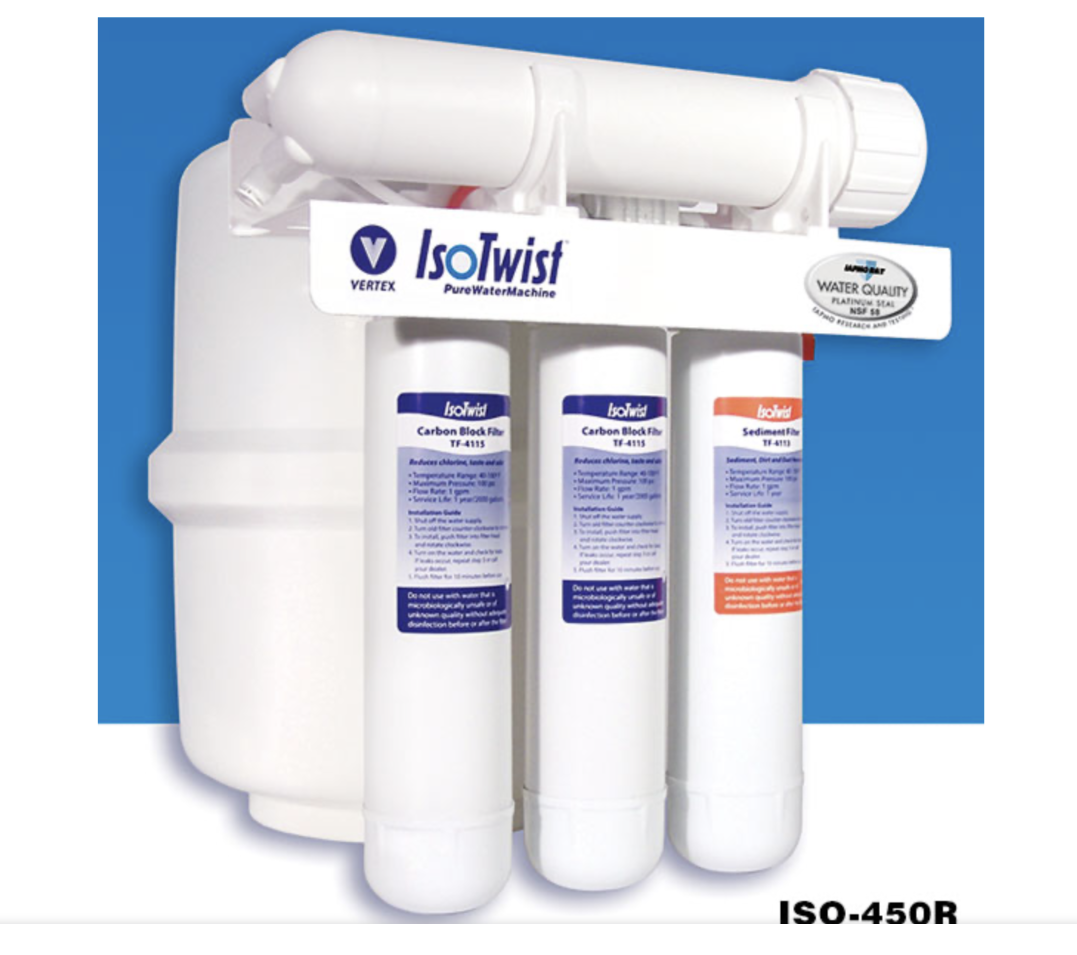
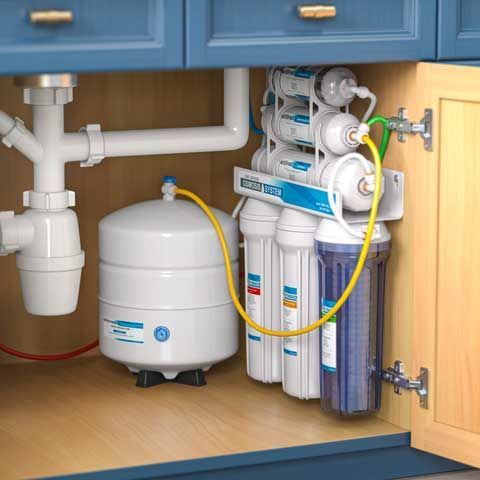
A typical reverse osmosis system works in several stages:
1. Pre-Filtration
Before water reaches the RO membrane, it passes through pre-filters that remove:
- Sediment (dirt, sand, rust)
- Chlorine (which can damage the RO membrane)
This step helps extend the life of the system.
2. Reverse Osmosis Membrane
This is the heart of the system. Water is forced through the semi-permeable membrane, which blocks up to 99% of dissolved contaminants.
- Clean water passes through
- Concentrated waste (brine) is flushed away
3. Post-Filtration
After membrane filtration, water may pass through a carbon filter to:
- Improve taste
- Remove any remaining odors
4. Storage Tank & Dispensing
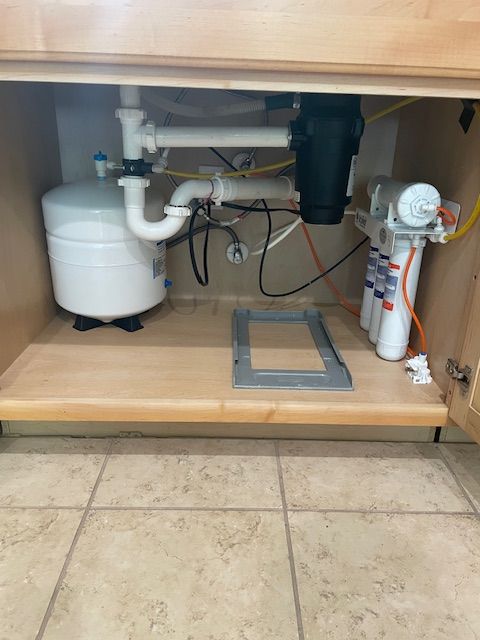
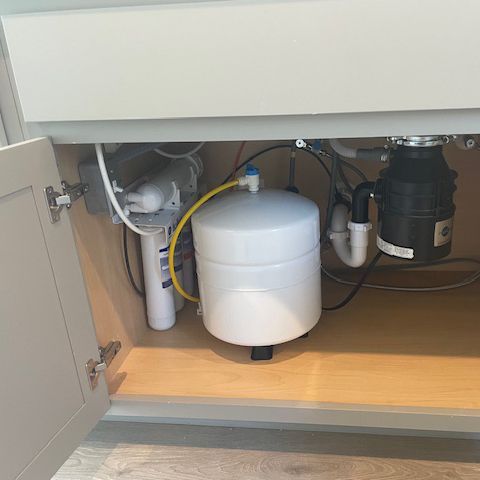
Purified water is stored in a tank until needed and is dispensed through a dedicated faucet or appliance.
Some advanced systems also include remineralization to add beneficial minerals back into the water.
Contact Us Today to Start Your Project!
When it comes to water purification, reverse osmosis stands out as one of the most comprehensive and dependable solutions available. By combining multiple stages of filtration with a highly specialized semi-permeable membrane, reverse osmosis systems are capable of removing up to 99% of common water contaminants. This results in water that not only tastes better but is also safer for drinking, cooking, and everyday use.
Whether you’re dealing with hard water, chemical contaminants, or simply want greater peace of mind about what’s coming out of your tap, a reverse osmosis system offers long-term value and performance. At Texas Water Systems, we offer and install advanced reverse osmosis systems designed to thoroughly purify drinking water by removing contaminants such as radium, fluoride, chlorine, salts, metals, cysts, and turbidity, resulting in cleaner, safer, and great-tasting water for your home or business.
Contact us today to learn more about the benefits of an RO system or to request a service!