

Reverse Osmosis Versus Other Filtration Methods
When it comes to improving water quality, homeowners and businesses have several filtration options to choose from. Each method is designed to address specific contaminants, improve taste, and enhance overall water safety. Among these options, reverse osmosis (RO) systems are often considered one of the most effective solutions available. Understanding how reverse osmosis compares to other filtration methods can help you determine which system is best suited for your needs.
What Is Reverse Osmosis?
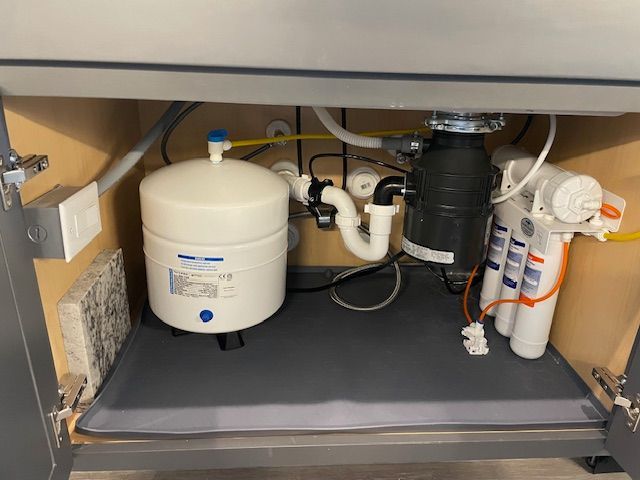
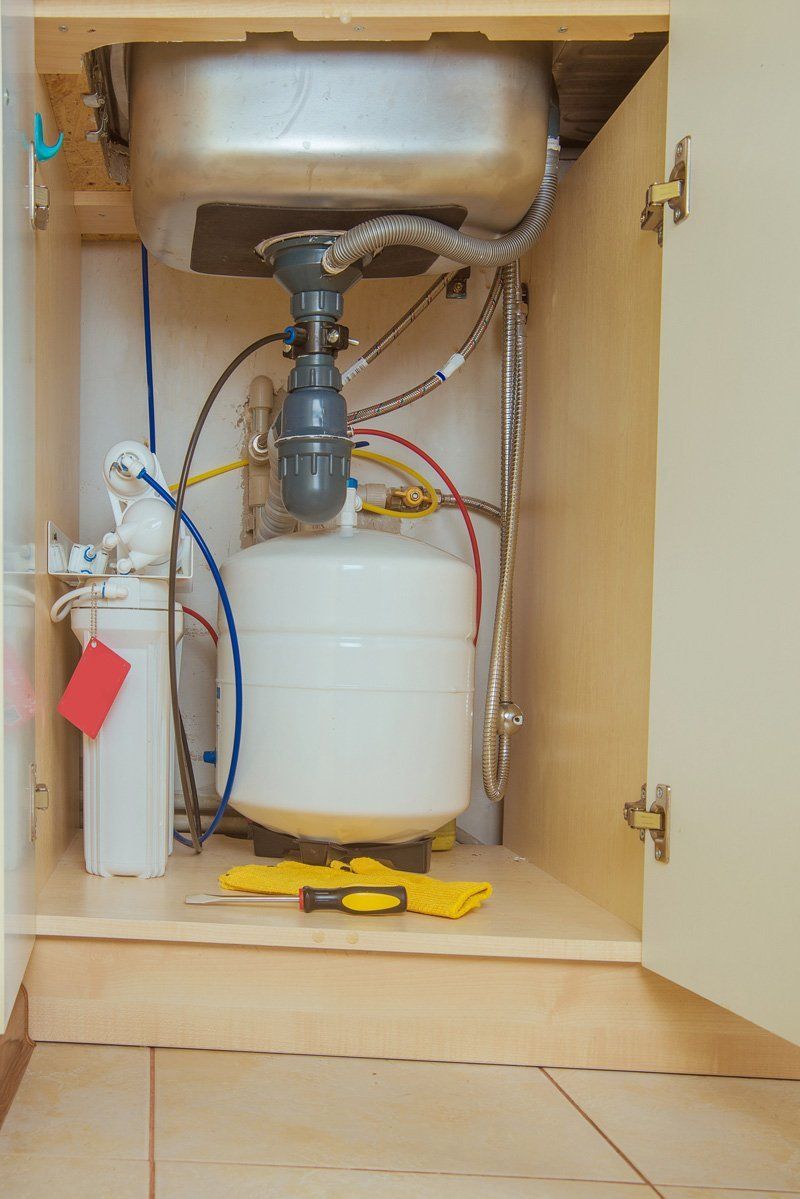
Reverse osmosis is a water purification process that uses pressure to force water through a semi-permeable membrane. This membrane is designed to remove a wide range of contaminants, including dissolved solids, chemicals, heavy metals, and certain microorganisms.
Benefits of reverse osmosis include:
- Exceptional contaminant removal
- Improved taste and odor
- Reduced levels of lead, arsenic, fluoride, and nitrates
- Cleaner drinking and cooking water
- Consistent water quality
Because reverse osmosis removes such a broad spectrum of impurities, it is often used as a comprehensive drinking water solution.
Activated Carbon Filtration
Activated carbon filters are among the most common water filtration systems found in homes. They work by attracting and trapping contaminants as water passes through a carbon medium.
Activated carbon filters are effective at removing:
- Chlorine
- Volatile organic compounds (VOCs)
- Unpleasant tastes and odors
- Certain pesticides and chemicals
While carbon filtration improves water taste and smell, it typically does not remove dissolved minerals, heavy metals, or many microscopic contaminants as effectively as reverse osmosis.
Sediment Filtration
Sediment filters are designed to remove larger particles from water before they reach plumbing fixtures or other filtration equipment.
Common contaminants removed by sediment filters include:
- Sand
- Dirt
- Rust particles
- Silt
- Debris
Although sediment filtration helps protect plumbing systems and appliances, it is generally used as a pre-treatment method rather than a complete water purification solution.
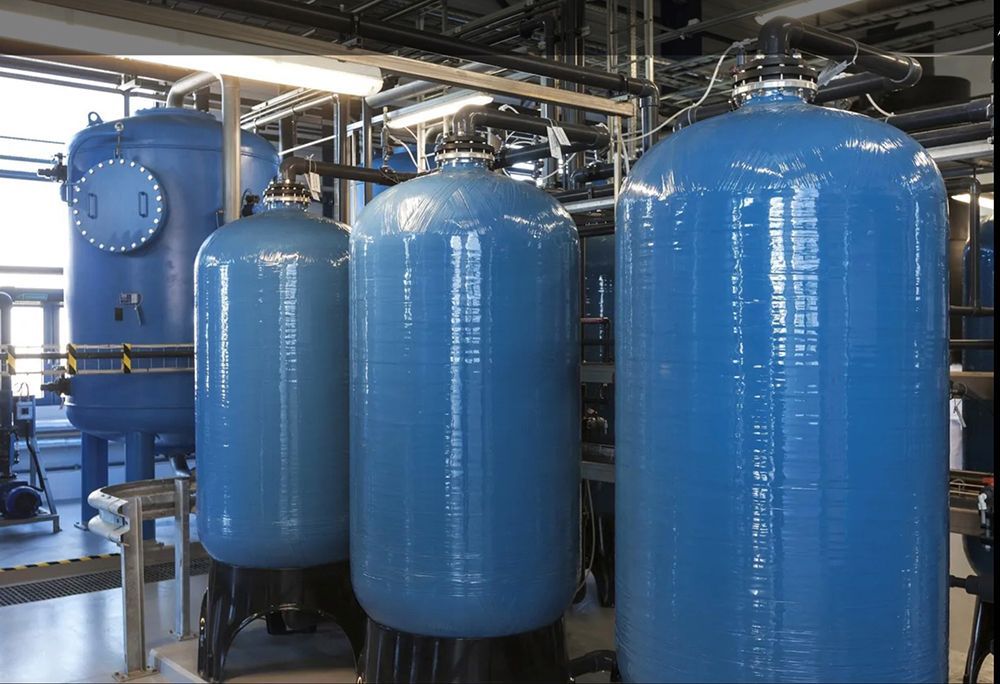
Water Softeners
Water softeners address hard water issues by removing minerals such as calcium and magnesium through an ion exchange process.
Advantages of water softeners include:
- Reduced scale buildup
- Improved appliance efficiency
- Softer skin and hair
- Better soap performance
- Extended plumbing lifespan
However, water softeners are not designed to remove contaminants, chemicals, bacteria, or dissolved solids. Many homeowners pair a water softener with a reverse osmosis system for more comprehensive water treatment.
Comparing Reverse Osmosis to Other Methods
Here's a quick comparison of what each filtration method is designed to address:
Reverse Osmosis
- Dissolved solids
- Heavy metals
- Chemicals
- Fluoride
- Nitrates
- Improved taste and odor
Activated Carbon
- Chlorine
- VOCs
- Taste and odor issues
Sediment Filtration
- Dirt
- Sand
- Rust
- Large particles
Water Softening
- Calcium
- Magnesium
- Hard water minerals
Which Filtration System Is Right for You?
The best filtration solution depends on your water quality concerns and treatment goals. If your primary objective is to remove a broad range of contaminants from your drinking water, reverse osmosis often provides the most comprehensive protection. However, some households benefit from combining multiple treatment methods to address specific issues such as hard water, sediment, or microbial contamination.
Factors to consider include:
- Local water quality
- Household water usage
- Specific contaminant concerns
- Maintenance requirements
- Budget and long-term operating costs
Contact Our Team to Access Reverse Osmosis Systems & Beyond
While several water filtration technologies offer valuable benefits, reverse osmosis remains one of the most effective methods for producing high-quality drinking water. If you're interested in adding one of these innovative systems to your space, don't hesitate to contact one of the friendly representatives at Texas Water Systems. For years, our team has continued to provide reliable support across the San Antonio, TX community. We've made it easier than ever to access clean water at a competitive rate!